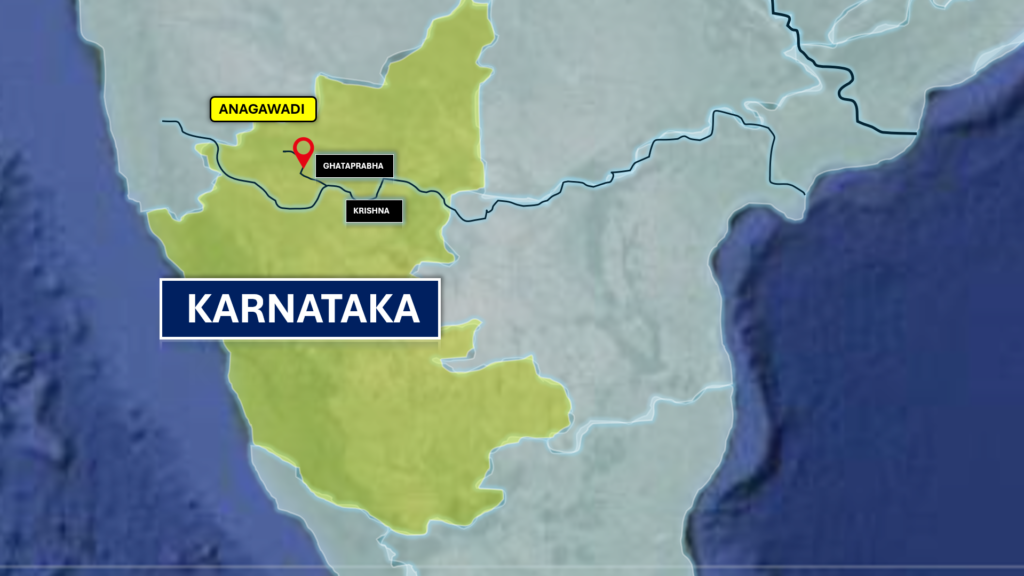
Anagawadi is an important Lower Paleolithic archaeological site located near Anagawadi village in Bagalkot district, Karnataka, along the Ghataprabha River basin on the northern Deccan Plateau.
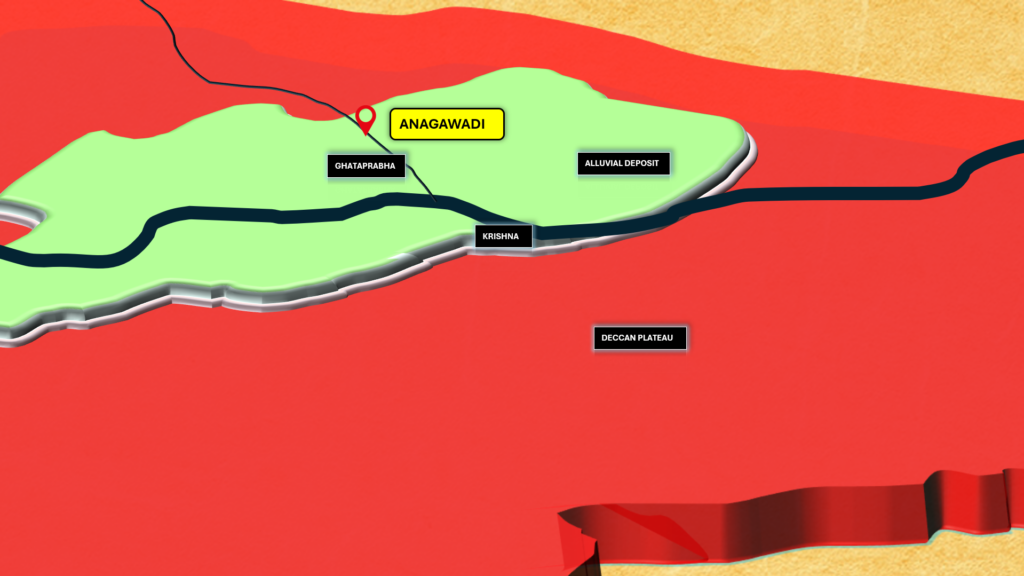
The site is famous for its Acheulean stone tools found in ancient river gravel deposits, making it one of Karnataka’s classic Lower Paleolithic river-valley sites.
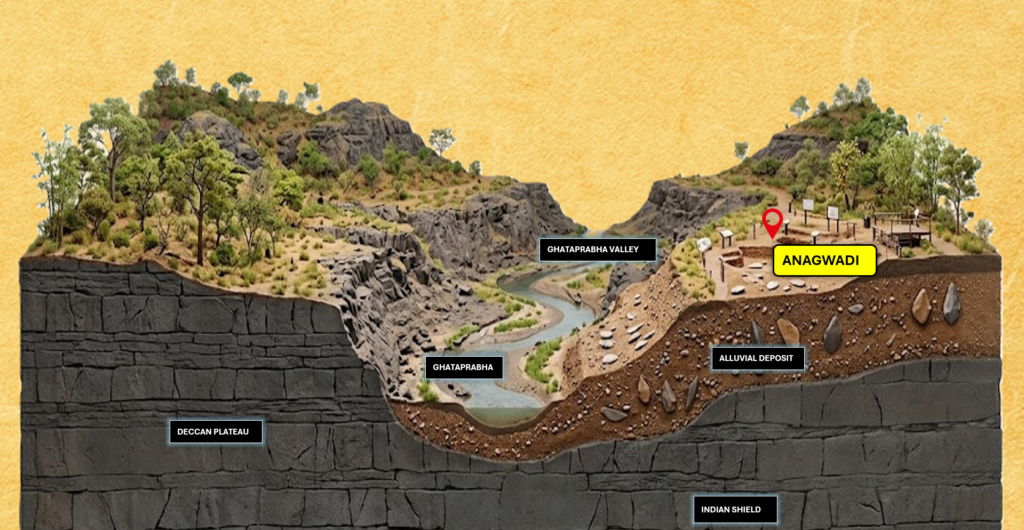
The site was occupied during the Lower Paleolithic period, approximately 700,000–150,000 years ago. It was documented during prehistoric surveys by Robert Bruce Foote and later studied in detail by H. D. Sankalia,
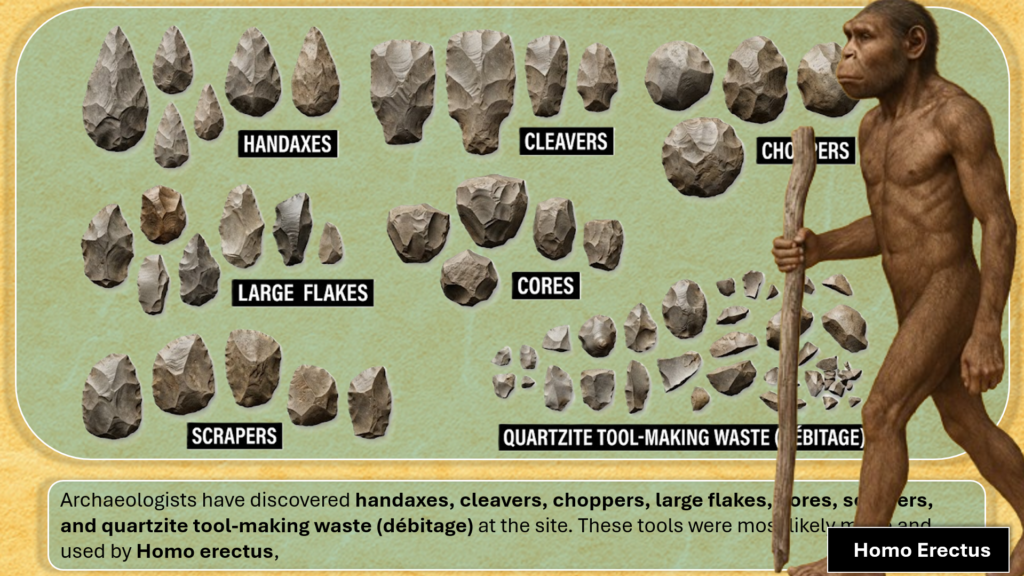
Archaeologists have discovered handaxes, cleavers, choppers, large flakes, cores, scrapers, and quartzite tool-making waste (débitage) at the site. These tools were most likely made and used by Homo erectus.
No human fossils have been found at Anagawadi. The site is significant because it provides strong evidence of long-term Acheulean occupation in the Ghataprabha Valley and helps archaeologists understand how early humans adapted to river environments and used locally available stone for tool-making.