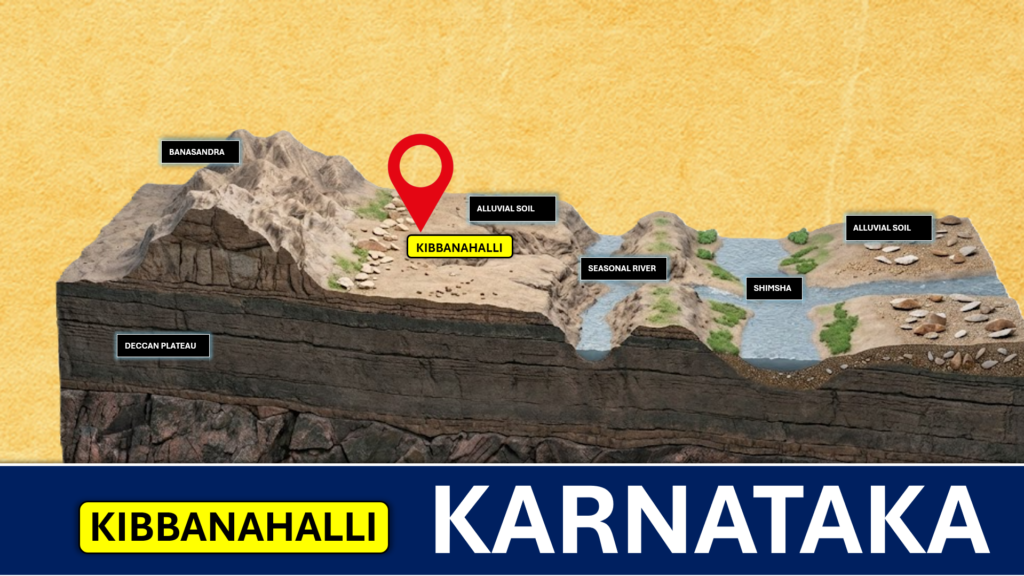
Kibbanahalli (also spelled Kibbanhalli) is an important Lower Paleolithic (Acheulean) archaeological site located near Kibbanahalli village in Tiptur Taluk, Tumakuru (Tumkur) district, Karnataka. It lies in the Banasandra Hills region and is drained by seasonal streams that are part of the Shimsha–Cauvery river system.
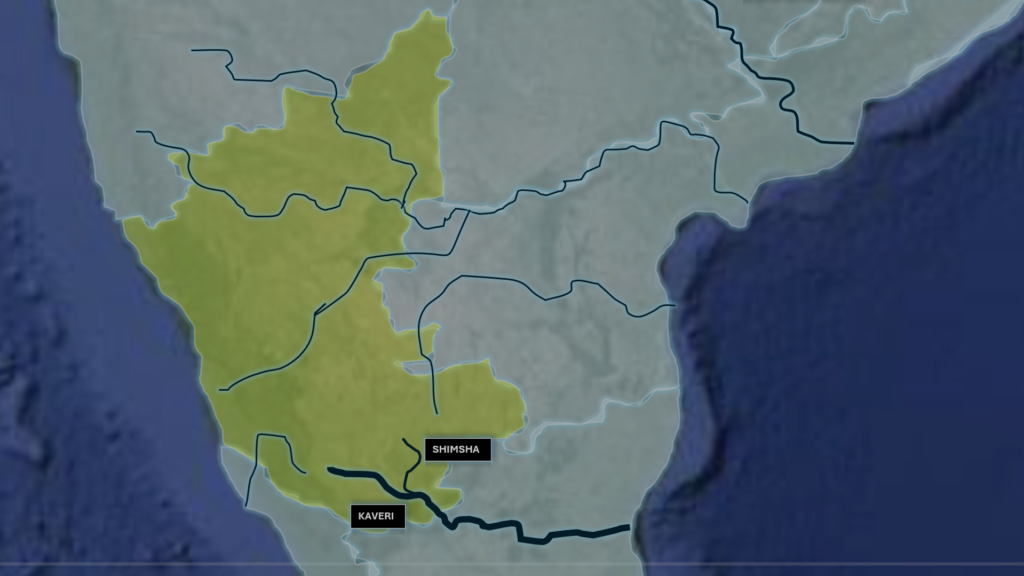
The site is one of the oldest and best-studied Acheulean sites in southern India. More than 20 Paleolithic localities have been identified across the Kibbanahalli landscape, making it one of the largest and most significant prehistoric archaeological complexes in South India. It has played a major role in understanding the Lower Paleolithic history of the Deccan Plateau.
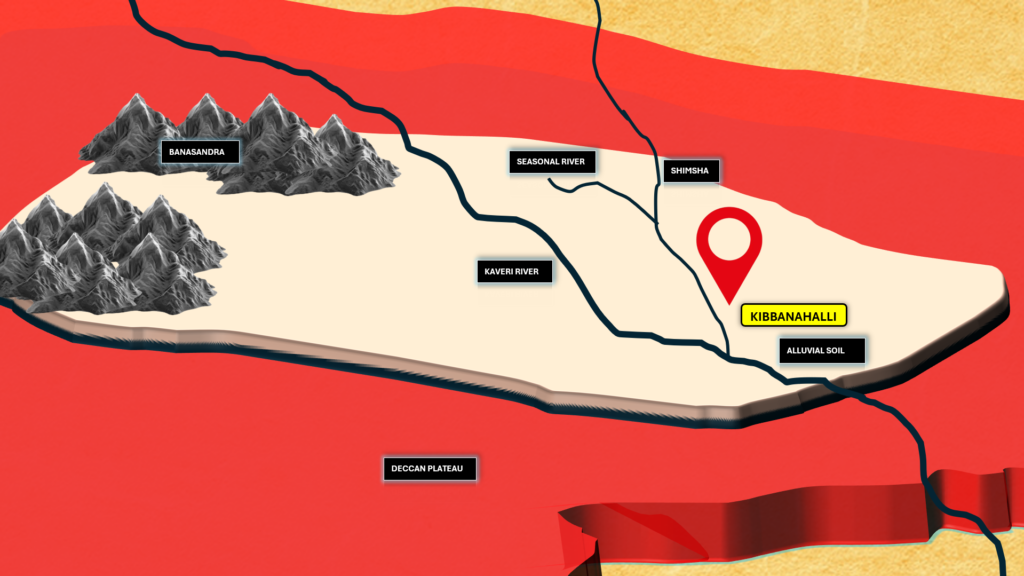
Kibbanahalli dates to the Lower Paleolithic (Acheulean) period, around 700,000–500,000 years Before Present (BP). Although no direct scientific dating has been carried out, its age has been estimated by comparing its Acheulean stone tools, geological setting, and landforms with other well-dated Acheulean sites in India.
Archaeologists have discovered a large number of Acheulean stone tools, including handaxes, cleavers, flakes, cores, scrapers, large cutting tools, and tool-making waste (debitage). Most of these tools were made from locally available quartzite, showing that Kibbanahalli was an important quarry-cum-tool-making site, where prehistoric humans collected raw stone and manufactured tools.
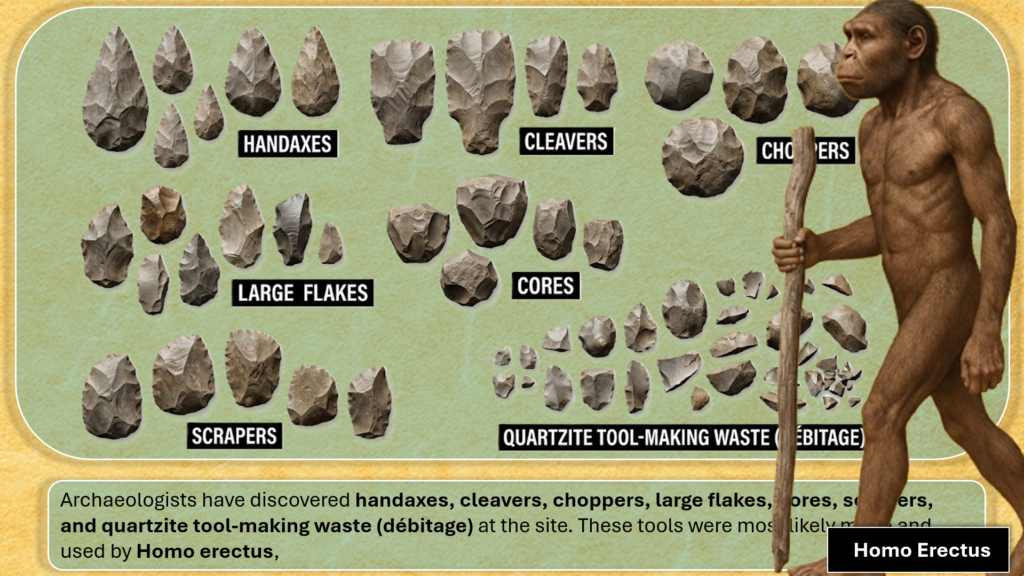
No human fossils have been found at Kibbanahalli. However, the Acheulean tool assemblage strongly suggests that Homo erectus was the main hominin that lived here. Some researchers believe that the site’s later phases may also have been occupied by archaic Homo sapiens, but there is no confirmed fossil evidence to prove this.