Instruction: Draw the route using your mouse, touch or stylus, then click Submit
Drag the UNESCO World Heritage Sites of Madhya Pradesh into the correct bucket.
MADHYA PRADESH
[upsc_image_drag_drop id=”877″]
[x_match id=”940″]
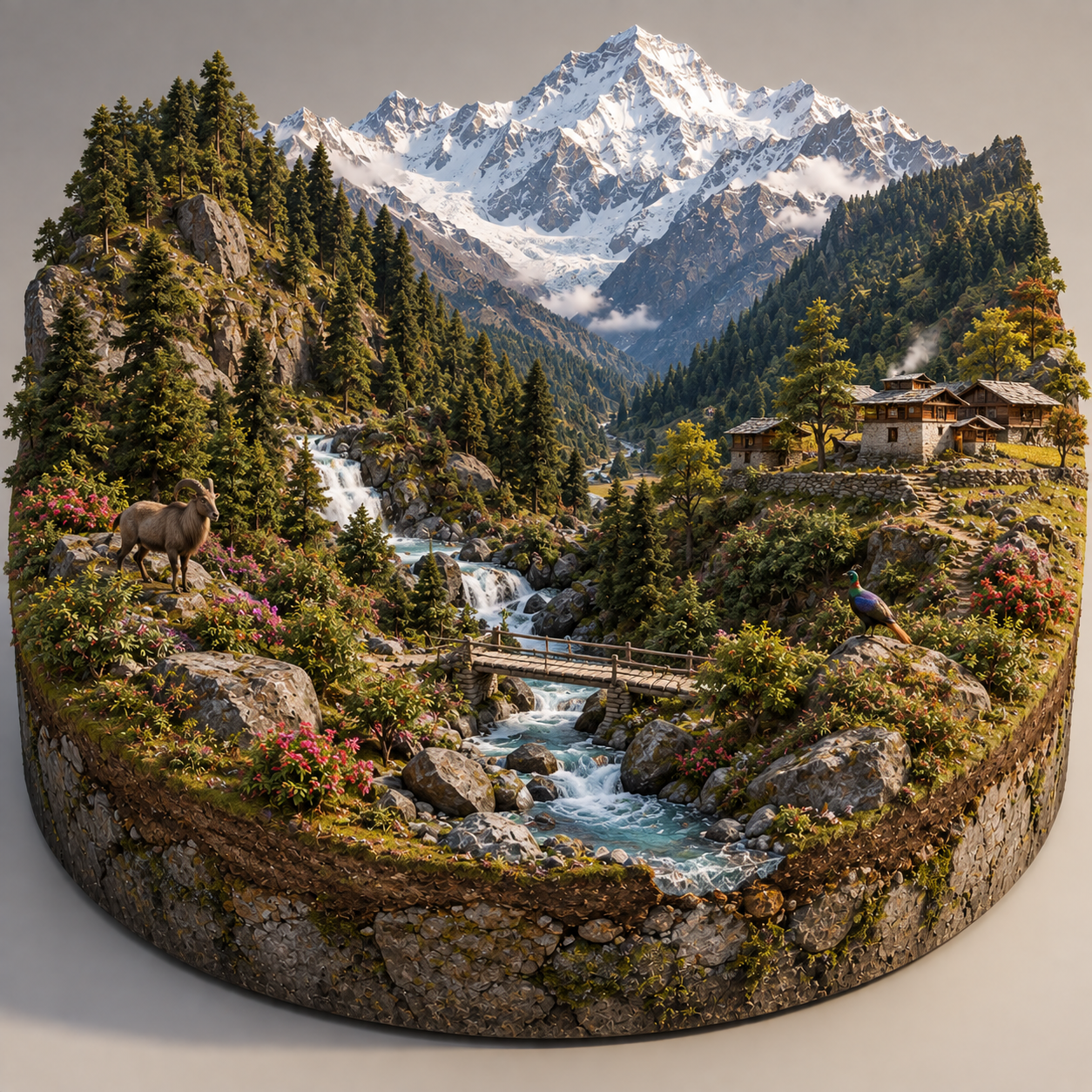
Arrange North to South
Arrange the images in the correct order, then click Submit.
Assertion (A): Naturally occurring earth pigments were widely used for making prehistoric paintings.
Reason (R): Iron oxides, manganese minerals, limestone, and other earth pigments were locally available and could be processed into paints.
Explanation
Explanation: Naturally available minerals and earth pigments could be crushed, powdered, and mixed with suitable binders to produce paints in different colours.
Assertion (A): Lapis lazuli was a commonly available natural pigment source at Bhimbetka.
Reason (R): The Harappans obtained lapis lazuli through long-distance exchange networks.
Explanation
Lapis lazuli was not locally available at Bhimbetka. Its acquisition through long-distance exchange networks by the Harappans highlights its relative scarcity compared with locally available earth pigments.
1. Iron oxide and other mineral pigments are generally more chemically stable than plant-based dyes, helping prehistoric paintings survive for thousands of years
2. Prehistoric paintings survived mainly because plant-based dyes were more durable than mineral pigments.
3. Paintings located deep inside rock overhangs, niches and recesses were less exposed to direct rain and weathering.
4. Paintings on exposed rock surfaces were better protected from weathering than those inside rock shelters
5. The porous nature of sandstone prevented mineral pigments from interacting with the rock surface.
6. Deeply sheltered paintings received less direct sunlight and ultraviolet radiation, which helped slow pigment degradation.
7. Natural isolation of some rock shelters increased human interference, making the paintings more vulnerable to damage.
8. Superimposition refers to the practice of later artists painting directly over older images, sometimes revealing chronological changes.
9. Superimposition completely erased all traces of older paintings and provided no evidence of chronological change.
10. Direct exposure to sunlight and ultraviolet radiation always improves the long-term preservation of prehistoric pigments.
[upsc_image_drag_drop id=”958″]
Identify the words related to Bhimbetka and Belan valley
Bhimbetika
Belan Valley
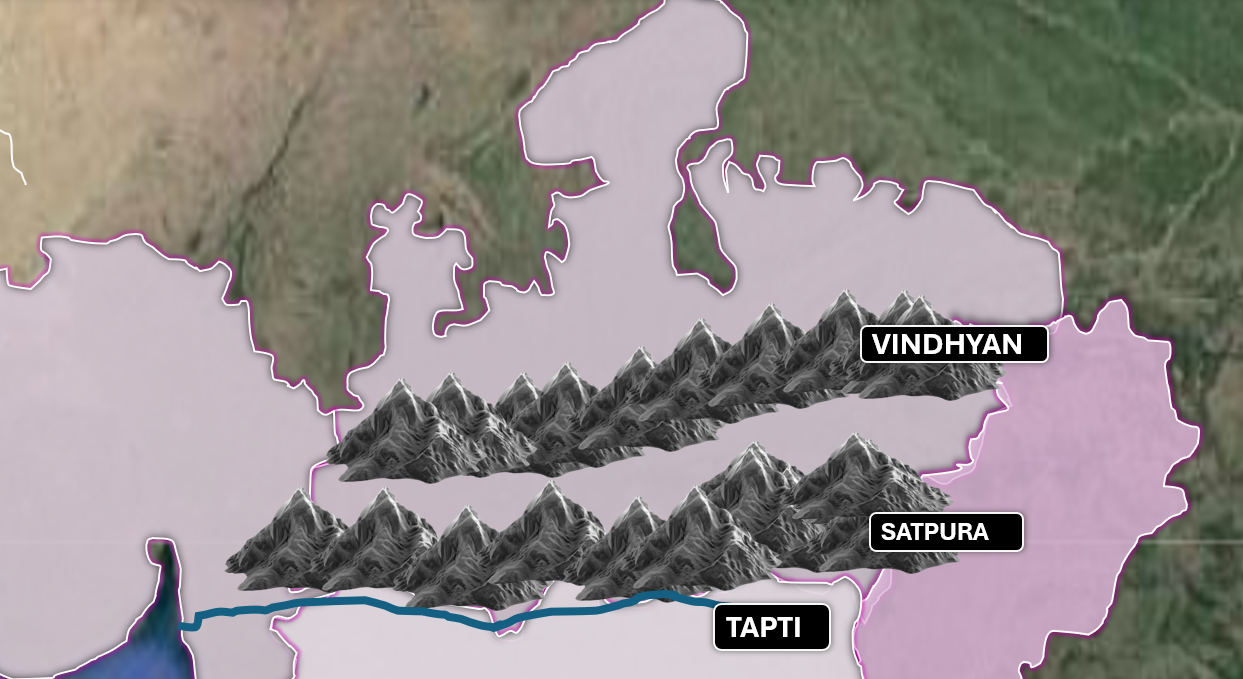
Drag the geographical features associated with Madhya Pradesh into the correct bucket.
MADHYA PRADESH
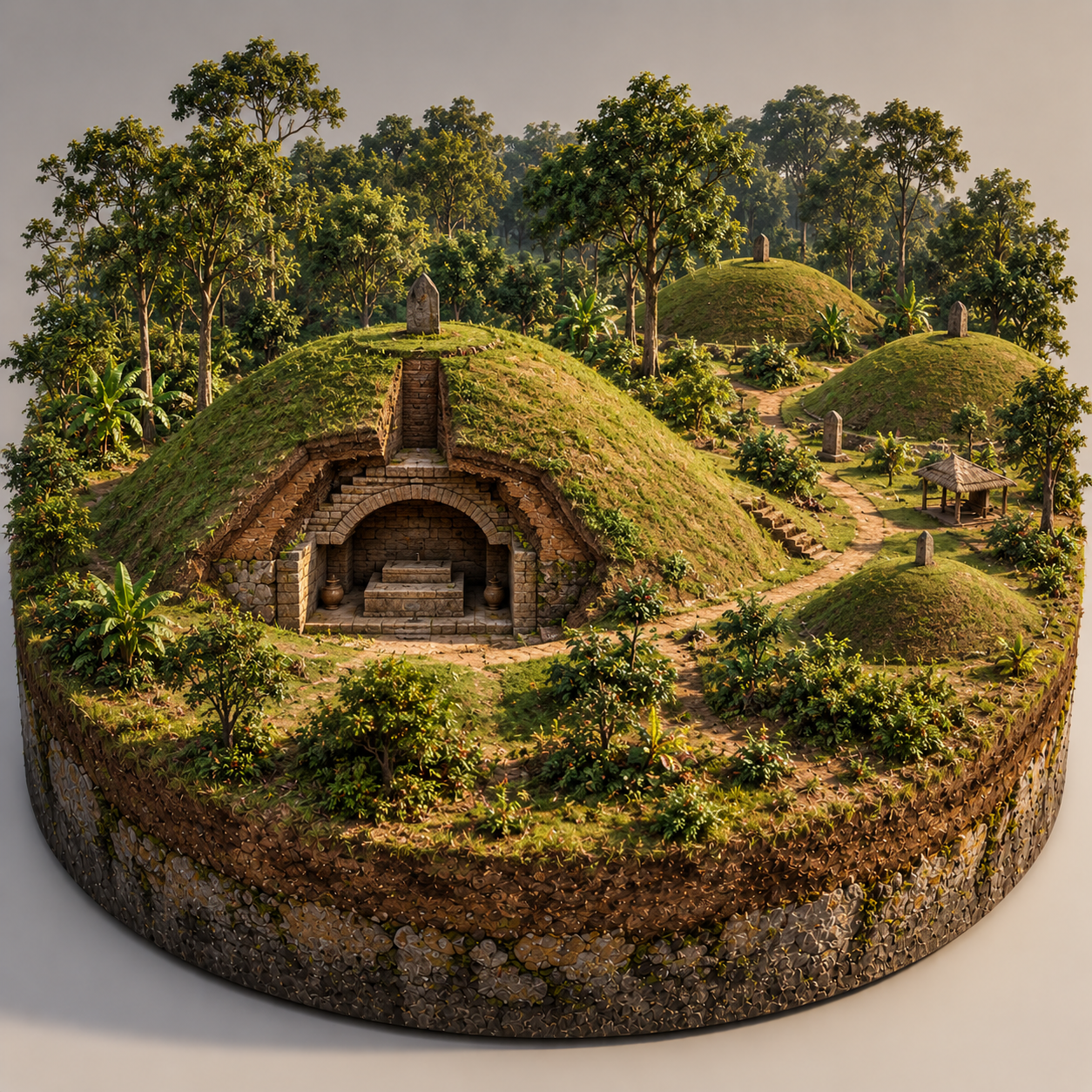
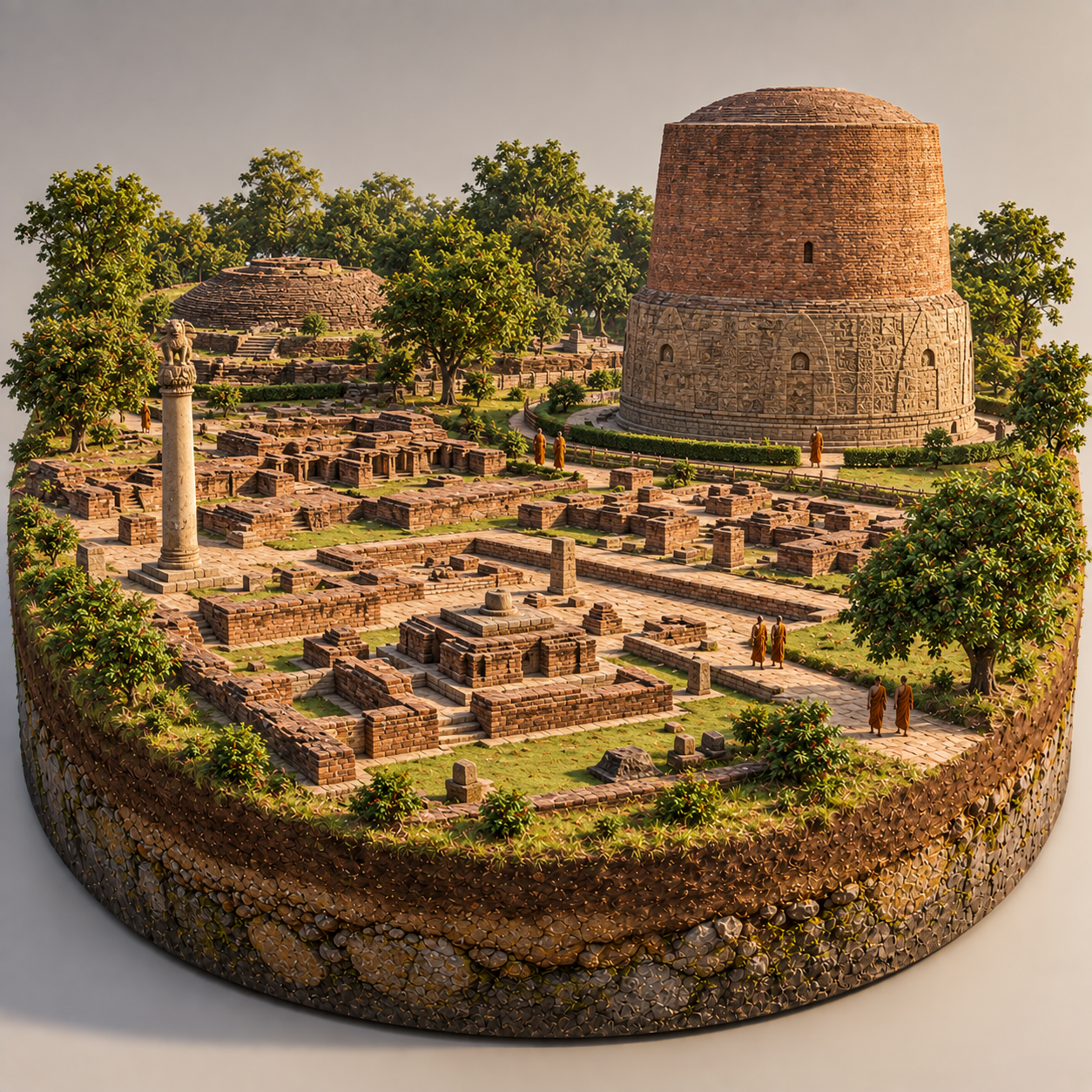
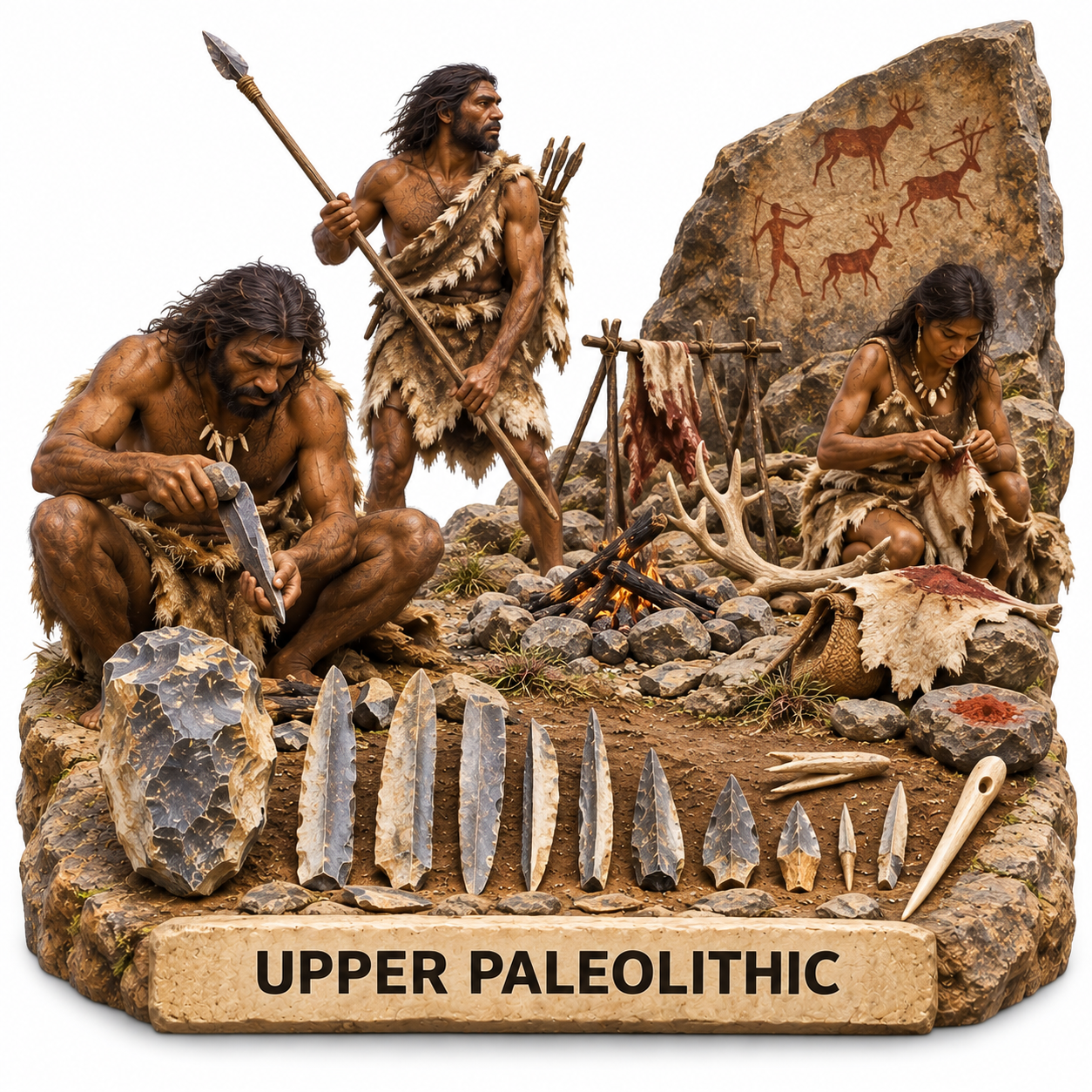
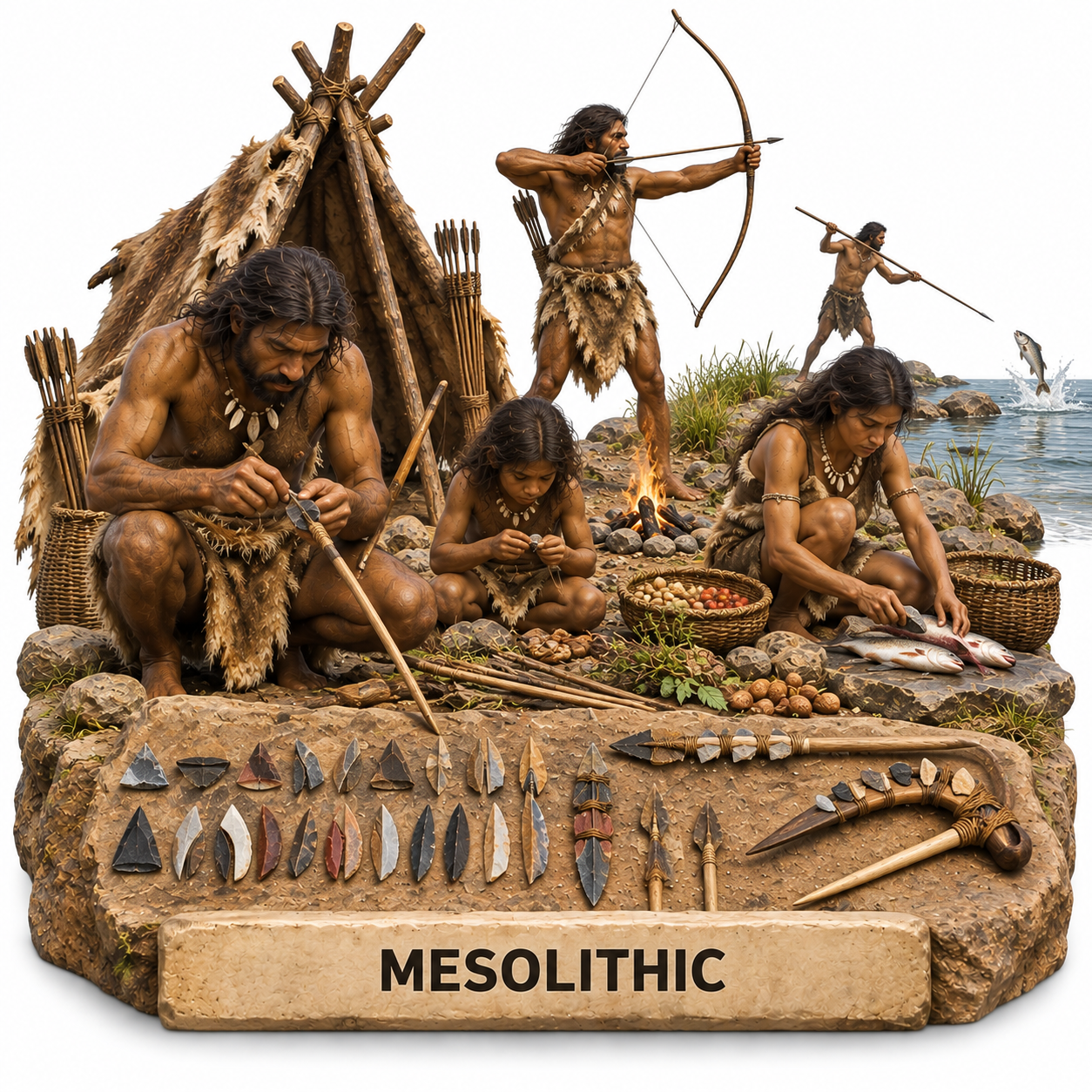
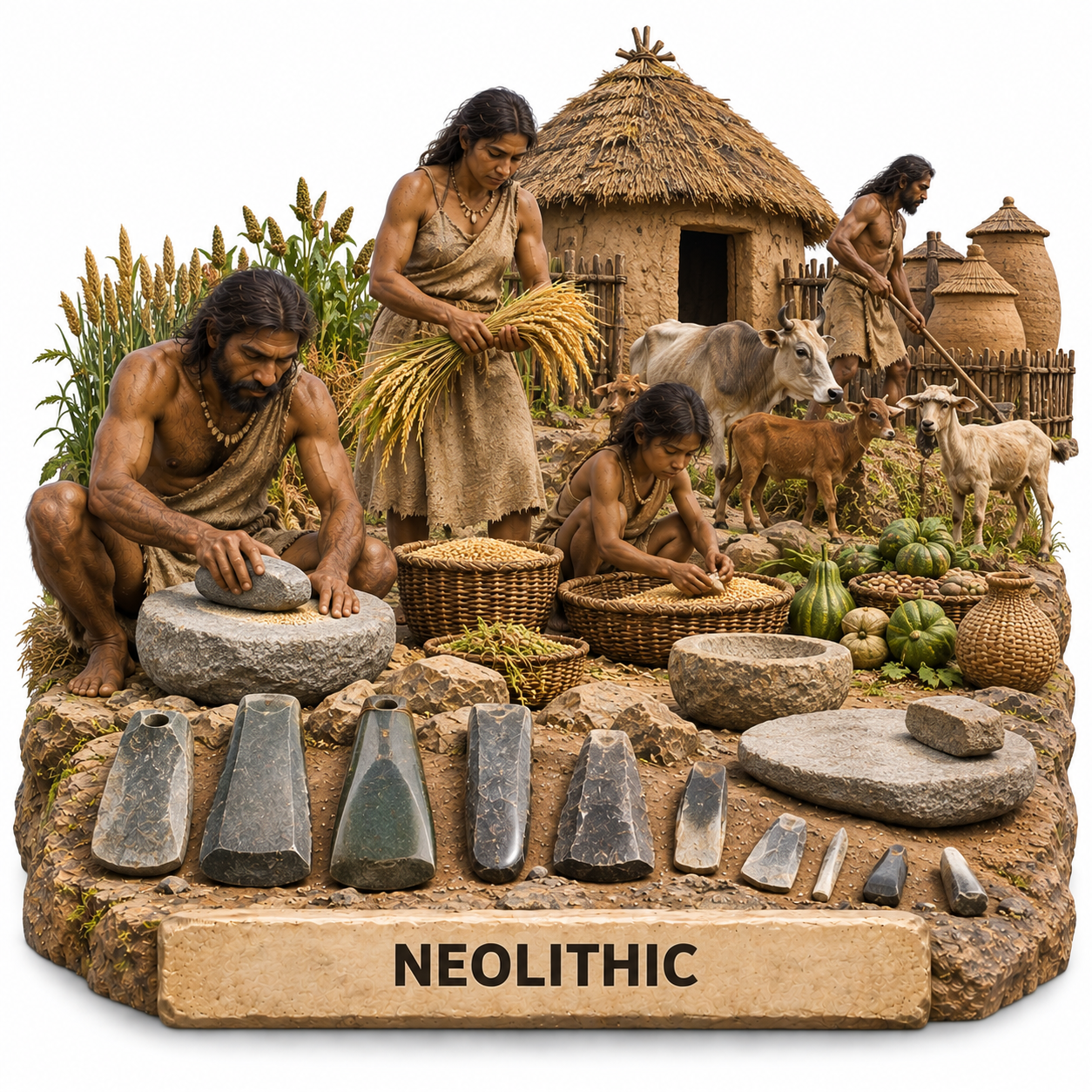
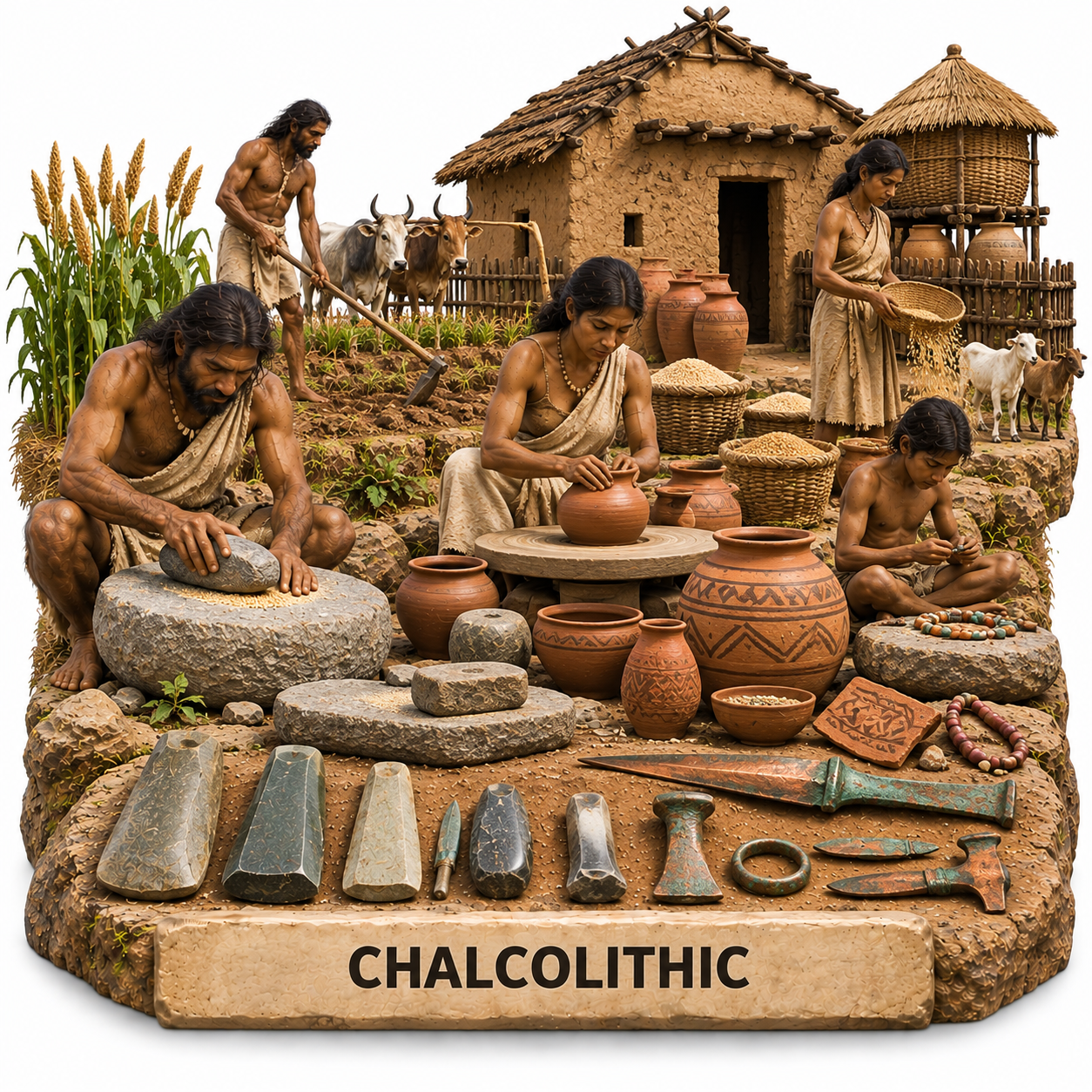
Arrangement of archeological development
Arrange the images in the correct order, then click Submit.
[x_match id=”1105″]
Drag the painting traditions that share similarities with Bhimbetka paintings into the correct bucket.

Be First to Comment